

.jpg.2608272000584.webp)
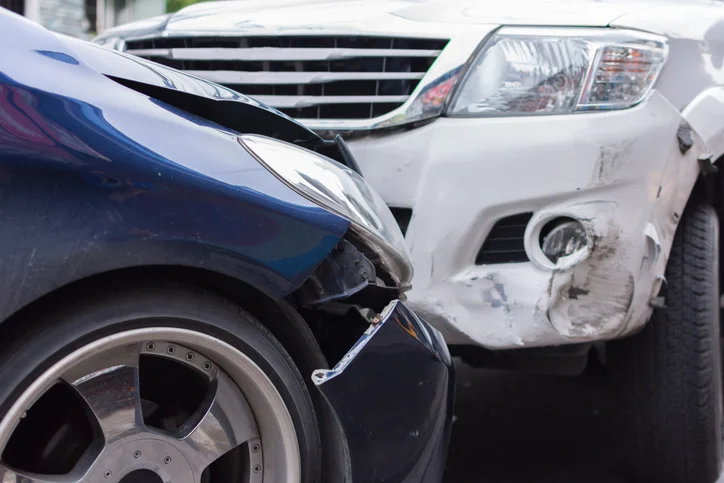
A car accident can leave you dealing with injuries, vehicle damage, insurance calls, and questions about what happens next. Whether your collision happened on a Salem intersection, an Albany highway, or a Keizer Street, the first steps you take can affect your health and your potential injury claim.
1. Report the Car Accident
Oregon drivers involved in qualifying crashes must report the accident to the appropriate law enforcement agency, depending on where the collision occurred.
Local reporting resources include:
- Salem. The Salem Police Department handles law enforcement within Salem city limits.
- Albany. The Albany Police Department responds to crashes within Albany.
- Keizer. The Keizer Police Department serves the Keizer community.
If the crash occurred outside city limits, the Oregon State Police or the appropriate county law enforcement agency may respond instead.
Get the report number and the responding agency’s information before leaving the scene when possible. That information can make it easier to obtain the accident report later.
2. Get Medical Care
Medical evaluation after an Oregon car accident can identify injuries that are not immediately obvious, and it creates documentation of the treatment you receive.
For serious injuries, call 911 or go to the nearest emergency department. Depending on where the crash occurred, local options include:
- Salem. Salem Health Medical Centers provide emergency and hospital care in the Salem area.
- Albany. Samaritan Albany General Hospital provides emergency care in Albany.
- Keizer. Keizer is close to Salem medical facilities, including Salem Health, for emergency and follow-up care.
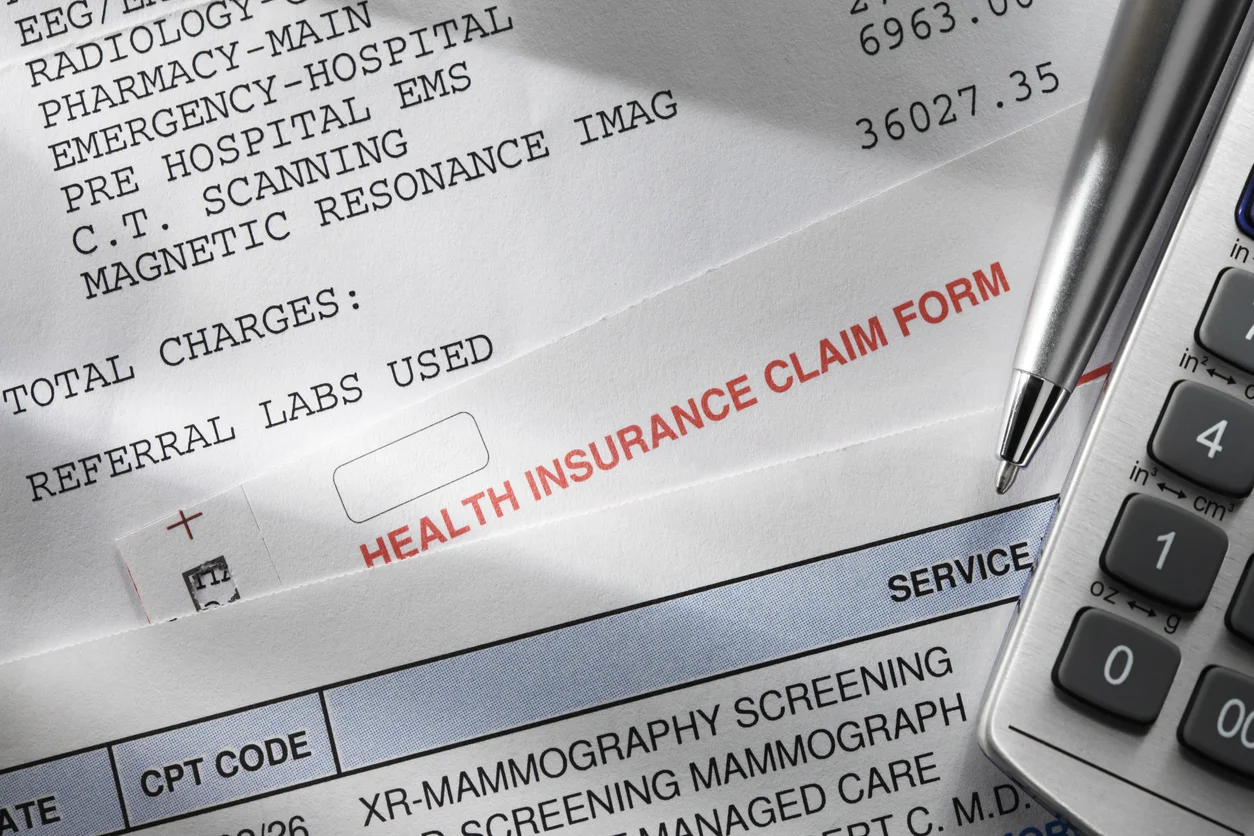
Follow the treatment recommendations you receive and keep records of appointments, medications, referrals, and other accident-related care.
Attorney Todd Taylor of Johnson & Taylor shares what he tells people who call us right after a crash: “We frequently receive phone calls from people who were just in an accident. Maybe they are still at the scene of the accident, or maybe they are still at the hospital. I think the most important thing to do is to get medical care that is needed.”
3. Document the Crash Scene
Photos, witness information, vehicle damage, and other records can preserve details about an Oregon car accident that may become difficult to establish later.
If your condition allows, document:
- The vehicles. Photograph damage from multiple angles.
- The roadway. Capture traffic signals, signs, lane markings, debris, and road conditions.
- The surrounding area. Photograph nearby businesses, intersections, and other relevant landmarks.
- The people involved. Exchange names, contact information, driver's license information, and insurance details.
- The witnesses. Get contact information from anyone who saw the collision.
Do not put yourself in danger to collect evidence. If you are seriously injured, prioritize medical care.
Attorney Todd Taylor adds a few details worth collecting while you are still at the scene: “If someone is still at the scene of an accident, it is also important to make sure information is received from all involved parties and witnesses. [...] Take pictures of insurance cards and drivers' licenses. Verify whether there are any passengers in the vehicles.”
4. Notify Your Insurance Company
Notify your auto insurer about the accident promptly, even if another driver appears responsible for the collision.
Your own policy may provide important benefits after an Oregon accident, including Personal Injury Protection and potentially uninsured or underinsured motorist coverage. You may also need to cooperate with your insurer's investigation.
When communicating with insurers, stick to accurate facts about what happened and your injuries. Avoid guessing about fault or making statements about your recovery that you cannot yet know.
Attorney Todd Taylor explains how he recommends handling contact with the insurance companies: “Once you are feeling well enough to call after you have been seen at the hospital, urgent care, or doctor, contact us so we can help get things moving with the insurance companies. You could contact the insurance companies, but do not give them a recorded statement. This can help the insurance company get a start on fixing your vehicle or providing a rental car so that you can hopefully get back on your feet soon.”
5. Be Careful with Early Settlement Offers
An early settlement offer from an insurance company may arrive before you know the full extent of your injuries, treatment needs, or financial losses.
Before accepting an offer, consider whether you have a clear understanding of:
- Your current medical expenses
- Future treatment that may be necessary
- Lost wages or other income
- The full extent of your injuries
- Available insurance coverage
- Potential medical liens or reimbursement claims
Once a settlement is accepted, you generally cannot simply return to the insurer later because your injuries turned out to be more serious than expected.
For more information about pursuing compensation after a collision, see our guide to Oregon auto accident claims and our broader personal injury services.
When Should You Talk to a Car Accident Attorney?
Speaking with a car accident attorney can be useful when injuries, disputed liability, insurance coverage, or significant financial losses make the claim more complicated. The location of the collision matters, but so does the broader legal context of the claim.
Attorney Todd Taylor explains why he cautions against giving recorded statements without an attorney's help: “These recorded statements do not help you – they help the insurance company find ways to avoid having to pay out as much money. They might use these statements much later to show how your memory of an event has changed over time. [...] I would suggest consulting with an attorney before giving any recorded statements since you simply may not have to do so.”
A firm serving the Salem, Albany, and Keizer areas can help evaluate the accident without treating city limits as the only consideration. A case may involve different law enforcement agencies, courts, insurers, medical providers, and potentially responsible parties depending on where and how the collision occurred.
You do not necessarily need to find a separate general-practice attorney simply because your accident happened outside Salem. What matters is finding legal representation equipped to handle the personal injury claim and the jurisdiction in which it proceeds.
What Should You Do After a Car Accident in Oregon?
After a car accident in Oregon, focus first on safety and medical care, then preserve evidence and protect your insurance claim before making decisions about settlement.
A useful checklist is:
- Report the crash when required.
- Get appropriate medical attention.
- Photograph the scene and vehicle damage.
- Exchange insurance and contact information, and photograph insurance cards and driver's licenses.
- Keep records of medical treatment and expenses.
- Notify your insurer, but avoid giving a recorded statement before speaking with an attorney.
- Avoid accepting an early settlement before understanding your injuries and available compensation.
- Consider speaking with an attorney if the accident caused significant injuries or if the insurance process becomes disputed.
Talk With a Salem-Area Auto Accident Attorney
Johnson & Taylor represents people injured in car accidents throughout the Salem area, including clients from Albany and Keizer. If you were injured in a collision, our team can help you understand your options, communicate with insurance companies, and pursue the compensation available for your injuries.
Call (971) 318-5516 or contact us online to discuss your accident and next steps.